


A useful dubbing review identifies the episode and version, locates each issue in time, explains what the reviewer heard and states the correction or decision needed. Separate a wrong meaning from a pronunciation choice, a performance concern or a mix problem. Then give the production team one consolidated set of priorities and a clear route to approval.
You do not need to diagnose every audio fault yourself. You do need to describe the observation precisely enough for someone else to find it. This guide explains how to turn a dubbing review from “the scene feels wrong” into a manageable conversation about particular lines, performances and files. All episode examples below are hypothetical.
Establish what this dubbing review can approve
Before watching, identify the review stage. Are you assessing a sample performance, a dialogue edit, a preliminary mix or the proposed delivery? A dubbing review of an early sample can settle a character's tone without approving an entire episode. A final review has a different purpose. Ask what is ready to judge and what is intentionally unfinished.
Confirm who owns each decision. A language reviewer may assess meaning and idiom; a creative lead may approve performance; an engineer may verify delivery specifications. Your dubbing review should identify the person who consolidates those views. Giving everyone access to a review link does not, by itself, explain whose approval the producer should follow.
Use the agreed treatment as the reference. Lip-sync dubbing, timed voice over and other approaches do not have identical constraints. If the commission uses narration, a visible difference between every mouth movement and spoken syllable may not be an agreed defect. The guide to Arabic video localization methods explains that earlier choice; your dubbing review should assess the chosen method.
Identify the episode in your dubbing review
Put the episode identifier, language, cut and review version at the top of the notes. Preserve supplied filenames when referring to assets. A dubbing review that says only “episode two” is ambiguous if the team has a trailer, an earlier picture cut and several language mixes with that description. Link the actual file being discussed through the agreed channel.
Check whether the player displays elapsed time or embedded timecode. Say which reference your notes use and whether an opening slate is included. Where frame-level precision matters, confirm the frame rate and reference with the production team. A dubbing review should not imply exact frame locations when the reviewer has recorded only approximate minutes and seconds.
For a short issue, record a clear starting point. For an exchange or continuing imbalance, give a time range and identify the speaker or scene. Add a few quoted words when useful, rather than pasting the entire script. This makes a dubbing review usable even if another person must locate the same moment in a different review tool.
Use two passes for dubbing review
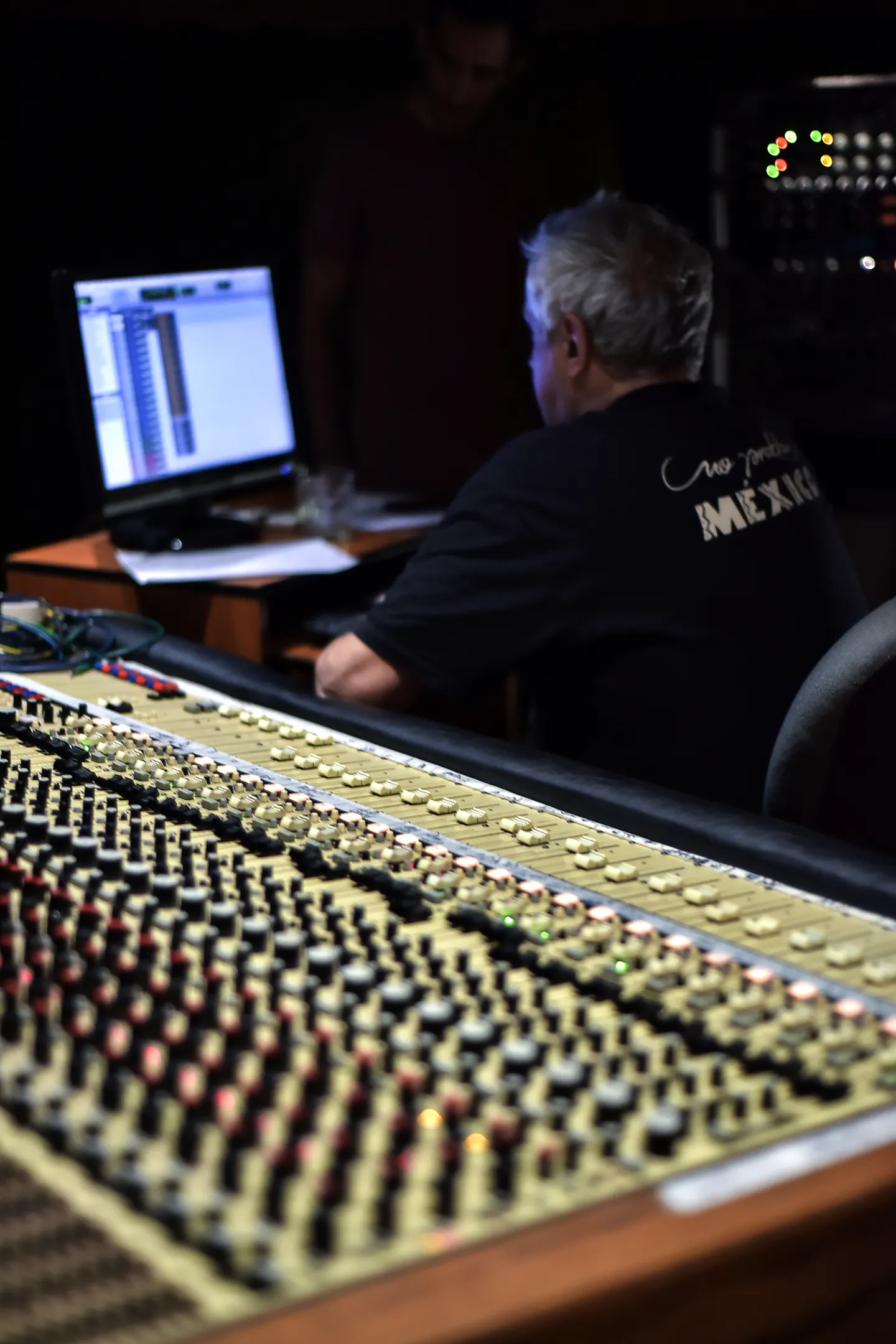
On the first pass, follow the episode at normal speed. Notice whether characters' intentions, relationships and changes of mood make sense. During dubbing review, stopping after every word can make an isolated line sound stranger than it does in the exchange. Mark places to revisit, then return with the surrounding scene in mind.
Use a second pass to confirm each concern and record its location. Listen again to distinguish what is actually audible from what you expected to hear. If comparing languages, use the identified source version. A dubbing review should not treat an old subtitle file or a remembered line as unquestionable evidence for what the current source says.
Record relevant listening conditions when a problem may depend on them. “Dialogue is difficult to understand on laptop speakers at this scene” is an observation the team can investigate. It is more useful than declaring a technical cause you have not measured. A dubbing review on one device does not establish compliance with every destination's audio requirements.
Separate meaning and performance in dubbing review
For a translation issue, identify the source meaning and what the dub communicates differently. Suppose a character says “I haven't told her yet”, but the dubbed line means “I won't tell her”. A dubbing review should flag the changed time and intention. Request restoration of the meaning, with adaptation to the scene, rather than merely asking for more emotion.
A performance issue can occur even when the words are accurate. A character concealing worry may sound openly furious, changing the relationship in the scene. Describe the intended situation and the audible difference. In dubbing review, “keep the concern contained until the next line” gives a director something to work with; “make it better” does not explain the problem.
Do not demand a literal wording match simply because a translation differs from a subtitle. Adapted dialogue has to work as speech in its specific timing and performance context. The dubbing script adaptation guide explains that work. Your dubbing review should identify lost meaning, unnatural phrasing or a changed relationship, rather than count matching words.
Netflix's dubbing guiding principles discuss adaptation, direction, acting and mixing as distinct production responsibilities. They provide a useful example of those responsibilities interacting. This article does not claim that Netflix's specifications govern your commission. Apply the actual creative brief and delivery requirements agreed for your dubbing review.

Support pronunciation notes in your dubbing review
If a name sounds wrong, identify the word and the relevant reference. For a fictional character, that may be the series pronunciation decision; for a brand, it may be an approved client reference. A dubbing review should not replace one uncertain pronunciation with another simply because a reviewer has a personal preference.
Say whether the issue is a single occurrence or appears to recur. List confirmed locations and ask the team to check other instances if necessary. Avoid marking an entire episode defective on the evidence of one line. A dubbing review can distinguish “correct these three instances” from “investigate a possible recurring inconsistency” without pretending a full audit has already occurred.
Where pronunciation is part of the story, keep that context visible. A character may intentionally misread a name before another character corrects it. Your dubbing review needs the exchange, rather than an isolated pronunciation rule. The casting and continuity guide covers the broader record of character choices that can support this discussion.
Locate sync problems in your dubbing review
Identify what you see and hear. A line might begin after the character visibly starts speaking, continue into another speaker's turn or end with a cut-off sound. Put the relevant time range and speaker in the dubbing review. The team can determine whether the remedy involves editing, adaptation, another take or a different production decision.
Listen for context around an edit. A pickup can be correct in wording yet differ noticeably in energy, distance or background sound from the surrounding performance. In dubbing review, describe that contrast and its location. Do not automatically request a whole scene rerecording when the problem might be a shorter transition requiring assessment.
If picture or source audio has changed, say so before raising a large set of timing notes. The assets may no longer share the reference used for production. The dubbing materials guide explains why alignment matters. A dubbing review cannot reliably compare timings across unidentified cuts and then assume the performer caused every difference.
Separate mix observations in your dubbing review
“The actor needs more energy” and “music covers the last words” describe different concerns. In a dubbing review, identify whether you can hear the words, whether their balance changes unexpectedly and whether the sound fits the scene. You can report those observations without prescribing a compressor, equaliser setting or other treatment you have not established.
Use the relevant channel or speaker information if it is available and you understand it. Otherwise describe where the problem is heard. For example: “At the end of the exchange, the second speaker becomes much quieter than the first.” A dubbing review should help an engineer reproduce the problem, rather than attach uncertain technical terminology to it.
Ask for technical checks against the actual delivery specification separately from creative approval. An episode can feel convincing while a required output is missing or incorrectly configured. Conversely, correct file specifications do not establish that a scene is well performed. Your dubbing review should record which kind of acceptance has been given and which still needs a responsible checker.

Write one dubbing review issue as one request
A compact dubbing review entry can contain five elements: location, category, observation, expected result and status. An identifier helps the team discuss it without repeatedly copying the description. Keep each issue separate when it has a different owner or remedy. A single comment asking for a new pronunciation, a faster line and lower music can be difficult to close accurately.
For example: “R07, 00:12:18–00:12:23, meaning. The reply communicates a permanent refusal; the source says the character is not ready yet. Please restore that temporary hesitation while preserving the scene timing. Required correction; language reviewer to verify.” This hypothetical dubbing review note states the problem without pretending to write the final adapted line.
Another example: “R08, 00:19:42, mix. The final two words are masked by the effect that follows the door closing. Please check intelligibility in the full scene. Needs audio-team assessment.” This dubbing review entry is useful even when the reviewer cannot identify the precise technical cause. It separates the observable problem from the proposed investigation.
Prioritise dubbing review corrections and questions
Distinguish required corrections, questions and preferences. A changed plot fact or an omitted line may need a different decision from a preference between two credible reads. Define priorities with the project owner rather than assuming a universal severity scale. A dubbing review becomes harder to act on when every comment is labelled equally urgent.
Consolidate conflicting comments before requesting work. If one reviewer wants a restrained performance and another wants greater excitement, the producer needs a decision or a clearly assigned question. Sending both instructions unchanged does not settle the disagreement. Your dubbing review should show the creative direction that is approved, while preserving any unresolved issue for the right person to answer.
Keep new preferences distinguishable from departures from the agreed brief. A request to change the language treatment halfway through an episode may affect more than one pickup. Ask the producer to explain its implications. A dubbing review is a place to make that decision visible, rather than assume all newly requested work belongs to a standard correction round.
Keep dubbing review notes attached to the version
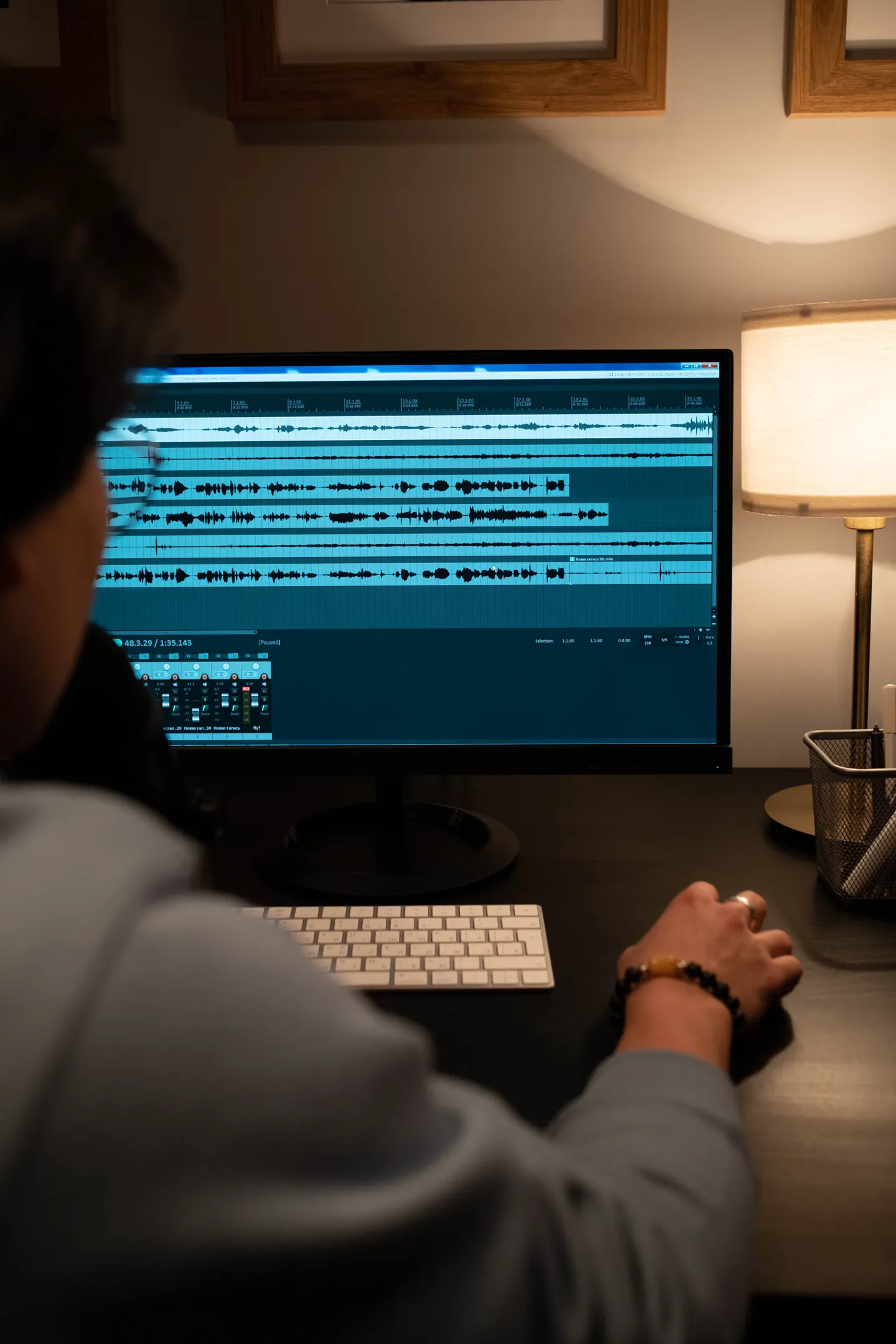
A shared review player can attach feedback to a moment and keep replies near the issue. Frame.io's current review documentation describes timestamped comments, version comparison and approval decisions within its supported workflow. Those are tool capabilities, not prerequisites for a useful dubbing review. A well-structured document can also work if the reference is clear.
Choose one agreed place for the active notes. If someone sends an additional message elsewhere, bring its decision into the main list without duplicating the request. A dubbing review scattered across voice messages, screenshots and several spreadsheets leaves the team uncertain about what remains open. The goal is a clear current record, not a particular brand of software.
When a replacement version arrives, identify it and ask which issues it addresses. Retain the earlier record so you can compare decisions, but avoid adding new notes to the superseded file by mistake. A dubbing review should connect each correction with the version in which it is being checked, especially when several episodes are moving at once.
Verify corrections and approve a defined version
Check a correction in its surrounding scene, not only as an isolated clip. A revised line may resolve the reported issue while creating an awkward overlap or a noticeable change in tone. Record the outcome in the dubbing review: accepted, still open or requiring a further decision. Do not silently close a comment just because a new file was uploaded.
Confirm the review coverage as well as the outcome. If you checked only the reported corrections, say so. That is different from a complete replay of the revised episode. A dubbing review approval should name the version and the scope of the check, including whether the intended final mix and any required separate deliverables have also been assessed.
Send a clear approval or a bounded remaining list through the agreed process. Avoid “looks good” when a named approver still has unresolved questions. If you need help defining the review stage or production package, share the episode details with the Arabic dubbing team. A useful dubbing review leaves the next person knowing what can proceed.
Frequently asked questions
What should a dubbing review note contain?
Identify the version, time or range, speaker, kind of issue and what you observed. Explain the expected result or the question that needs answering. If proposing a pronunciation or wording change, give its approved reference. A dubbing review note does not have to diagnose the repair, but it should let the team find and assess the concern.
Can I use subtitles as the translation reference?
Ask which source materials govern the assignment. Subtitles and adapted spoken dialogue may use different wording for different purposes. If you suspect changed meaning, compare the actual source scene and explain the difference. A dubbing review should not reject a natural spoken adaptation merely because it is not a word-for-word copy of a subtitle.
What if I cannot judge the target language?
You can still identify timing, scene continuity and some audible concerns, but arrange a qualified language review for meaning, idiom and pronunciation. Explain your own review scope. A dubbing review by someone unfamiliar with the target language should not be presented as verification of linguistic accuracy, even when the production sounds fluent and convincing.
Should I give the actor an exact replacement reading?
Use a precise explanation first: the character's intention, the word to emphasise or the approved pronunciation. A recorded reference can help if its purpose is clear. Discuss it with the director rather than assuming imitation is the answer. The dubbing review should preserve the scene's requirements while allowing the responsible creative team to choose a workable performance.
Is a timecode enough to explain an issue?
A location helps someone find the moment, but it does not explain what needs attention. Add the speaker, observation and requested correction or decision. Say whether your reference is elapsed player time or another timecode. For a dubbing review of a continuing problem, use a range and scene context instead of an unexplained single timestamp.
How should conflicting reviewers' comments be handled?
Ask the designated owner to consolidate them before the producer acts. Keep factual questions visible and distinguish them from performance preferences. If a decision remains open, name who will settle it. A dubbing review containing contradictory approved instructions invites another round of uncertainty; the production team needs a clear direction or a clearly assigned question.
Does approval of corrections approve every delivery file?
Only if that is what the agreed check actually covers. Name the reviewed version and whether you replayed the whole episode or checked selected changes. Confirm technical acceptance and separate assets through the responsible workflow. A dubbing review approval of a listening copy should not silently become approval of files nobody has opened or checked.
Sources & further reading
Put it into practice
Ready for your next project?
Explore our Dubbing service or tell us what you need.
Explore the service ↗